Spring: wake up and plan
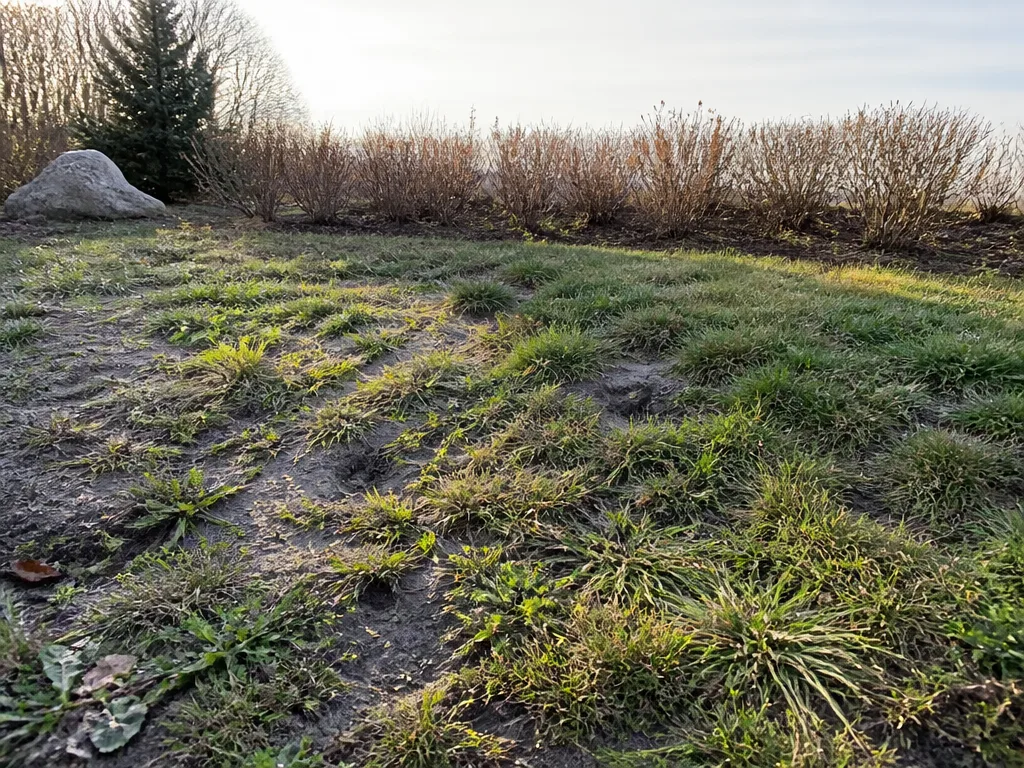
As the snow melts across New York, focus on soil health. Start with a light raking to remove debris and thin thatch buildup. If the soil is compact, aeration helps air and water reach roots. Our lawn care specialists can determine the best window for aeration based on your soil and weather. A regular fertilization schedule supports spring green-up and root development.
Watering should be gradual and consistent. Early spring often means not much rainfall, so a steady sprinkler pattern helps. Set irrigation to moisten the root zone rather than soaking the surface. A slow, deep drink encourages deeper roots and a more resilient lawn through hot days to come.
Summer: protect from heat and drought
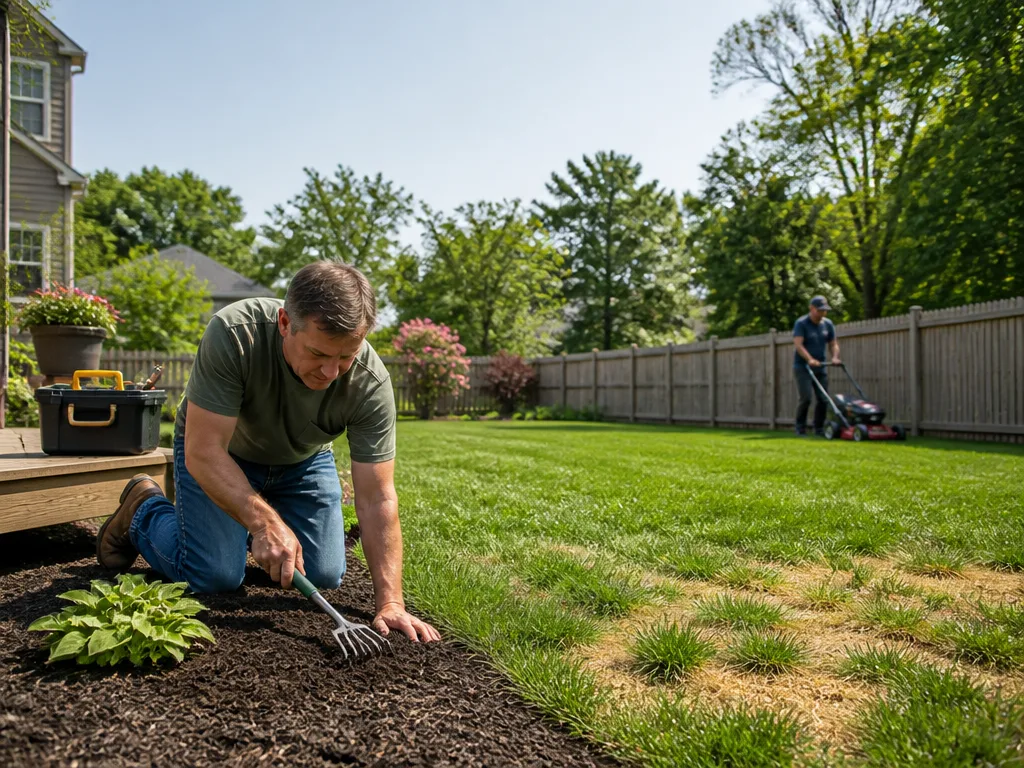
New York summers can stress grass. The goal is steady growth without overwatering. Mow at a higher setting to shade the soil and reduce evaporation. If you see uneven growth or yellow patches, a targeted approach with a lawn care specialist helps identify root issues, soil moisture, and timing of any supplemental feedings.
Deep, infrequent watering is better than light, frequent watering. Water early in the morning to reduce disease risk and maximize soil absorption. Keeping a consistent routine across New York helps every yard weather summer heat without going brown.
Fall: recovery and preparation
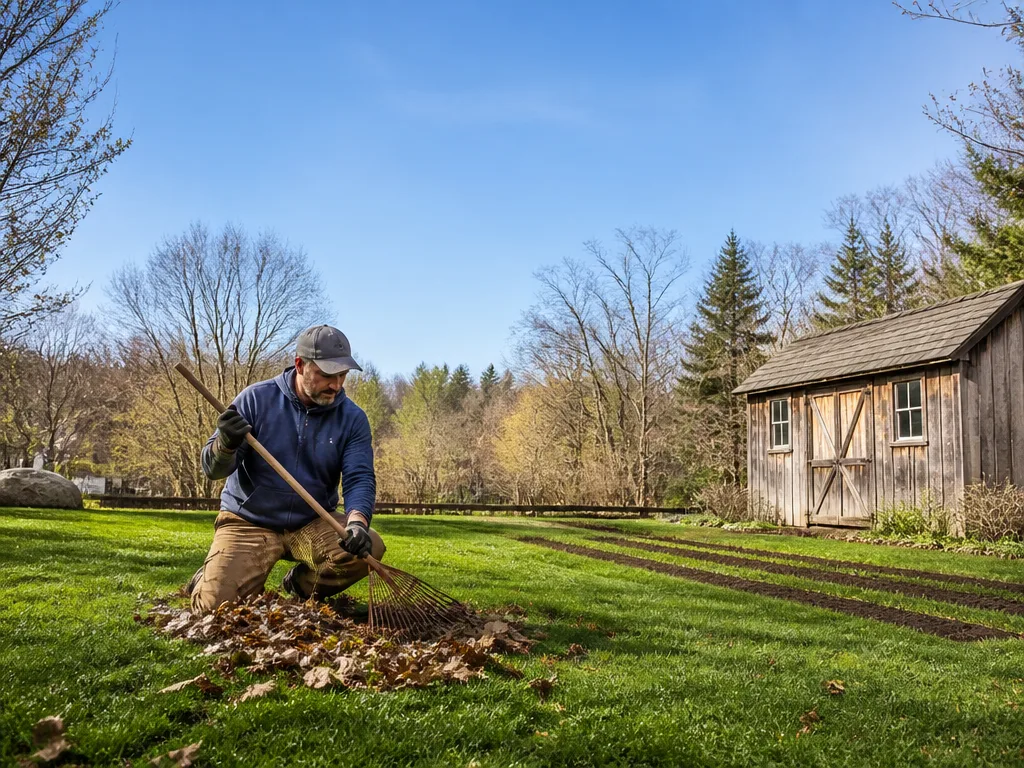
Fall is about recovery and setting up for the next cycle. Rake up leaves, remove debris, and consider overseeding where grass thinning shows through. A light fertilization in early fall helps roots store energy for winter. Aeration during this season can improve root penetration as soils cool down, especially in areas with heavy clay or compacted soils.
Across New York, timing matters. Our team can assess your lawn specifically for the local climate and soil type, then recommend a seasonal rhythm that keeps roots strong and the turf ready for winter. If you’re planning major changes, talk to us about a statewide plan that aligns with your yard and family schedule.